

Discover the wonders of Angkor Wat and the surrounding temples in this comprehensive travel guide. From the iconic sunrise at Angkor Wat to lesser-known gems in the Big Circuit, this blog outlines everything you need to know to plan your trip to one of Southeast Asia’s most significant archaeological sites.
Introduction to Angkor Archaeological Park
Angkor Archaeological Park is a treasure trove of history and culture, located just outside Siem Reap, Cambodia. Spanning over 400 square kilometres, it was once the heart of the Khmer Empire, which thrived from the 9th to the 15th centuries. This expansive park is home to an array of ancient temples and structures, each telling a unique story of the civilization’s grandeur.
Visitors are captivated by the intricate carvings, towering spires, and the sheer scale of the monuments. Angkor Wat, the most famous of these structures, is a UNESCO World Heritage Site and the largest religious monument in the world. The park not only showcases the architectural prowess of the Khmer people but also serves as a testament to their spiritual beliefs and cultural richness.

Overview of the Small Circuit
The Small Circuit is a popular route that encompasses the must-see temples within Angkor Archaeological Park. This route is ideal for first-time visitors, offering a concise yet rich experience of the park’s most significant sites. The circuit typically includes Angkor Wat, Angkor Thom, Ta Prohm, and Banteay Kadei, among others.
As you explore the Small Circuit, you’ll find that each temple has its own unique charm and historical significance. The well-preserved structures provide a glimpse into the architectural brilliance of the Khmer Empire. The Small Circuit is manageable in a day, making it a perfect option for those with limited time.

Highlights of Angkor Wat
Angkor Wat is undoubtedly the crown jewel of the Small Circuit. Constructed in the early 12th century, this magnificent temple complex originally served as a Hindu temple dedicated to the god Vishnu. Its stunning architecture features five towers symbolizing Mount Meru, the centre of the universe in Hindu cosmology.
The temple is renowned for its breathtaking sunrise views, drawing countless visitors eager to witness the sun illuminating its grand silhouette. Inside, you’ll discover intricate bas-reliefs depicting scenes from Hindu mythology, particularly the famous Churning of the Ocean of Milk.

Exploring Angkor Thom
Next on the Small Circuit is Angkor Thom, a fortified city that served as the last capital of the Khmer Empire. Enter through the South Gate, adorned with massive stone faces, and traverse the ancient roads leading to the heart of the city. At its centre lies the Bayon Temple, famous for its 216 serene stone faces believed to represent Avalokiteshvara.
Angkor Thom is rich in history and features several notable structures, including the Baphuon Temple and the Terraces of the Elephants and the Leper King. Each of these sites offers insight into the grandeur of the Khmer Empire and the skill of its artisans.

Visiting Ta Prohm and Banteay Kadei
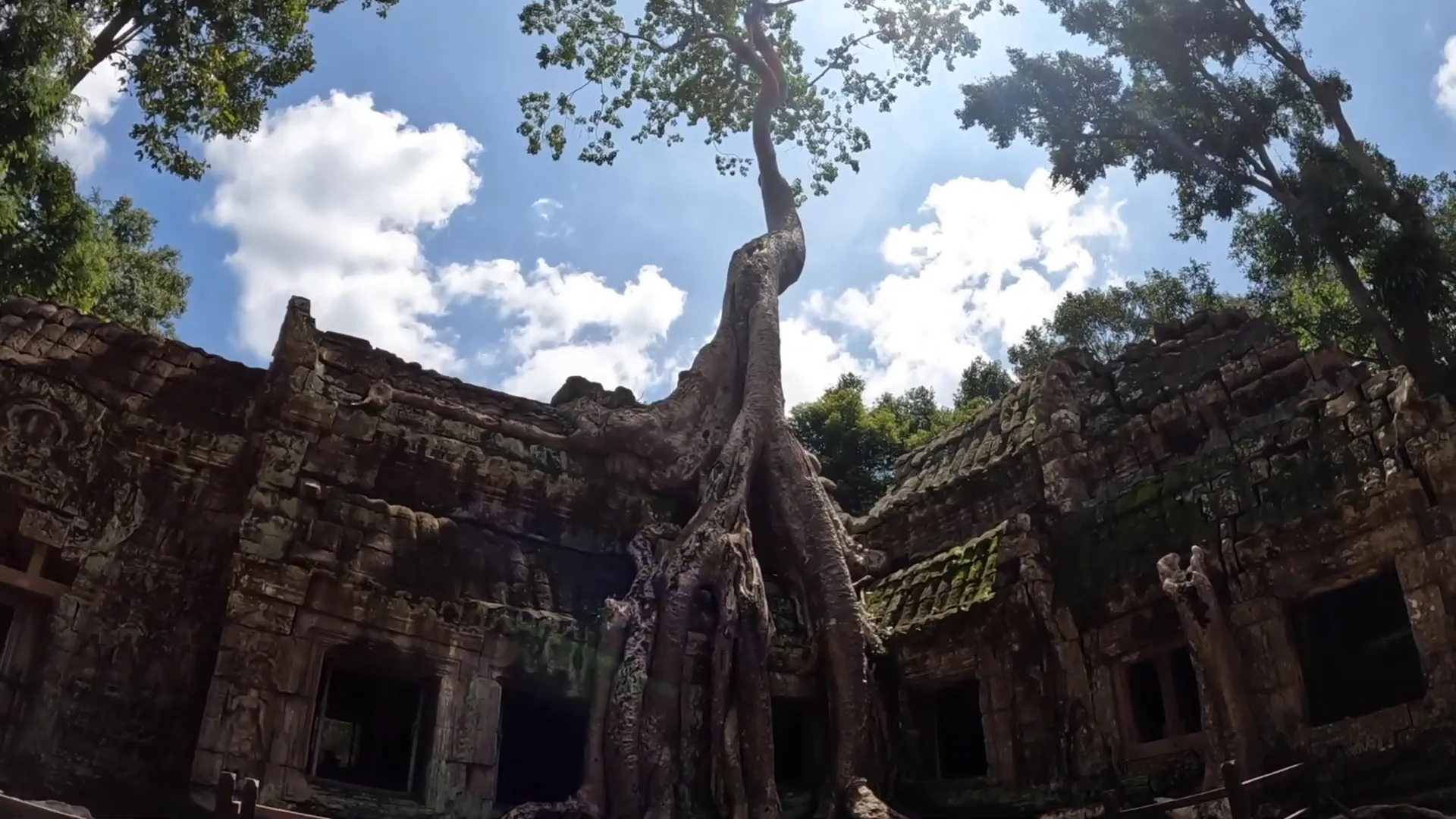
Ta Prohm, known for its enchanting ruins enveloped by trees and vines, is a highlight of the Small Circuit. This temple has gained fame as a filming location for the movie Tomb Raider, attracting many visitors who wish to experience its unique beauty in person. The intertwining roots and crumbling stones create a magical atmosphere, making it a must-see.
In contrast, Banteay Kadei offers a quieter experience. This temple features ornate walls and a labyrinthine layout, allowing for exploration away from the crowds. Both temples showcase the beauty of nature reclaiming ancient structures, offering a different perspective on the history of the Khmer Empire.
Introduction to the Big Circuit
For those looking to venture beyond the Small Circuit, the Big Circuit offers a deeper exploration of Angkor’s lesser-known temples. This route extends approximately 40 kilometres from Siem Reap and requires a half-day to fully appreciate its offerings. The Big Circuit includes temples like Preah Rup, East Mebon, and Ta Som, each boasting unique architectural features and historical significance.
The Big Circuit is perfect for travellers who want to escape the more crowded areas and immerse themselves in the serene beauty of the surrounding landscapes. Each temple along this route provides a glimpse into the rich history and artistry of the Khmer civilization.

Highlights of the Big Circuit
The first stop on the Big Circuit is Preah Rup, a 10th-century temple known for its distinctive pyramid-like structure and intricate carvings. The temple’s terraces provide stunning views of the surrounding countryside, making it a great spot for photography.
East Mebon, another significant temple along the route, is dedicated to the Hindu god Shiva and adorned with impressive elephant and lion statues. Its historical importance and artistic features make it a worthwhile visit.

Exploring Ta Som and Neak Poan
Ta Som is a smaller temple that often goes unnoticed by tourists. It is celebrated for its intricate stone carvings and the delicate tree roots that intertwine with its structures. This hidden gem provides a peaceful atmosphere, perfect for those seeking a moment of solitude amidst the ruins.
As you continue your journey, make your way to Neak Poan, a unique temple situated on a man-made island in the centre of a massive lake. Reaching this site involves wandering along a picturesque causeway, enhancing the overall experience.

Visiting Preah Khan and Phnom Bakheng
Preah Khan is one of the largest temple complexes in Angkor, once serving as a centre for learning and religious devotion. Its extensive layout features numerous halls, pavilions, and corridors, all enveloped by lush greenery. Exploring Preah Khan offers a sense of grandeur and tranquillity.
To conclude your day, consider hiking up to Phnom Bakheng, the original temple mountain. The 20 to 30-minute walk rewards you with panoramic views of Angkor Wat and the surrounding area. This spot is particularly popular for sunset viewing, providing a stunning backdrop for your memories.

Continuing the Journey: Temples Further Away
After experiencing the Small and Big Circuits, there are still many more temples to discover. One notable site is Banteay Srei, located about 30 kilometres north of Angkor Wat. Known for its exquisite and well-preserved carvings, this temple is a true masterpiece of Khmer architecture.
The Roluos Group, consisting of Bakong, Preah Ko, and Lolei, is also worth exploring. Situated just 12 kilometres east of Siem Reap, these temples can easily be combined with a visit to nearby floating villages, offering a diverse experience of Cambodian culture.

Temples Along the Big Circuit
The Big Circuit is a treasure trove of temples that offers a more tranquil exploration of Angkor’s rich history. Among these, Preah Rup stands out as a significant highlight. This 10th-century temple features a unique pyramid-like structure that captivates visitors with its intricate carvings and expansive terraces. The views from here are nothing short of breathtaking, particularly at sunset.

Following Preah Rup, East Mebon is another gem along the Big Circuit. Dedicated to the Hindu god Shiva, this temple is adorned with beautiful elephant and lion statues. Its historical importance is matched by its artistic features, making it a worthwhile stop.

Exploring Ta Som and Neak Poan
Ta Som, a smaller yet enchanting temple, is often overlooked by tourists. Known for its intricate stone carvings and the delicate tree roots that intertwine with its structures, Ta Som offers a peaceful atmosphere. The serenity of this temple allows visitors to connect with nature while appreciating the artistry of the Khmer builders.

Next on your journey is Neak Poan, a unique temple situated on a man-made island at the centre of a massive lake. The causeway leading to Neak Poan enhances the experience, providing picturesque views along the way. This temple’s design, surrounded by water, creates a serene environment that’s perfect for reflection.

Visiting Preah Khan and Phnom Bakheng
Preah Khan is one of the largest temple complexes in Angkor, once serving as a centre for learning and religious devotion. Its vast layout, complete with numerous halls and pavilions, is enveloped by lush greenery. Exploring Preah Khan allows for a deep dive into the grandeur and tranquillity of Khmer architecture.

To conclude your exploration of the Big Circuit, visit Phnom Bakheng. This temple mountain provides a 20 to 30-minute hike that culminates in panoramic views of Angkor Wat and the surrounding landscape. It’s a popular spot for sunset, offering a stunning backdrop for memorable photos and moments of reflection.

Exploring Temples Further Away
After the Small and Big Circuits, there are still numerous temples to discover in the Angkor region. One must-see site is Banteay Srei, located approximately 30 kilometres north of Angkor Wat. Renowned for its exquisite and well-preserved carvings, this temple is often regarded as a masterpiece of Khmer architecture.

The Roluos Group, including Bakong, Preah Ko, and Lolei, is another area worth exploring. Situated just 12 kilometres east of Siem Reap, these temples can easily be combined with a visit to nearby floating villages. This combination offers an enriching experience of both ancient history and local culture.

Getting Around Angkor Archaeological Park
To navigate Angkor Archaeological Park effectively, consider hiring a tuk-tuk driver for the day. This option provides flexibility and allows you to tailor your itinerary to your interests. A private driver can enhance your experience, offering insights and recommendations.

If you prefer a more active approach, renting a bike is another option. However, be prepared for the heat, as cycling can be strenuous in the Cambodian climate. Alternatively, joining a shared guided group tour can save you money while still providing a knowledgeable English-speaking guide.

Top Travel Tips for Visiting Angkor
When planning your visit to Angkor, you have the option to purchase tickets online or at the park entrance. There are three types of tickets available: 1-day, 3-day, and 7-day passes. For those who wish to delve deeper into the history of the temples, the 3-day pass is highly recommended.

Before your visit, take some time to learn about the temples through documentaries, books, or a trip to the Angkor Museum in Siem Reap. This knowledge will greatly enhance your experience. Additionally, ensure you wear appropriate footwear and clothing, as there will be plenty of walking involved.

It’s essential to stay hydrated, so bring your own water supply in addition to what your tuk-tuk driver or tour group may provide. Lastly, show respect for the temples by refraining from climbing on them in restricted areas and dressing modestly.

Suggested Itineraries for Your Visit
We’ve put together a few itinerary options to help you make the most of your time at Angkor. For a comprehensive experience, a 3-day itinerary allows you to explore the major highlights without feeling rushed. If you’re short on time, consider a 1 or 2-day itinerary, but be aware that this may require skipping some less crowded temples.
For those who want to maximize their visit, some travellers manage to fit in Angkor Wat at sunrise and all other main highlights in a single day. However, this can be quite fast-paced and may not allow you to fully appreciate the history and beauty of the sites.

Conclusion and Additional Resources
In conclusion, Angkor Archaeological Park is a captivating destination that offers a blend of history, architecture, and natural beauty. From the iconic Angkor Wat to the serene temples of the Big Circuit and beyond, each site has its unique story to tell. To enhance your experience, consider utilizing our interactive AI travel planner, Ariella.
With careful planning and a sense of adventure, your visit to Angkor will be unforgettable. Remember to immerse yourself in the culture, respect the ancient sites, and most importantly, enjoy every moment of your exploration.

