

Practical multigenerational travel guide
The Ultimate Guide to Travelling with Elderly Parents in Southeast Asia
Travelling with elderly parents can be deeply rewarding—but planning the trip often comes with a long list of worries. Discover how to choose a suitable destination, manage mobility and medication, and create a comfortable Southeast Asia itinerary.
Southeast Asia can be an excellent region for a multigenerational holiday when the itinerary is designed around comfort rather than constant sightseeing. With the right destination, realistic pacing, accessible transport, appropriate accommodation, and a well-prepared medical plan, you can give your parents an enjoyable experience without becoming a full-time crisis manager.
Why Southeast Asia Is Ideal—and Challenging—for Senior Travelers
Southeast Asia offers several advantages for older travellers:
- Many destinations have a strong cultural respect for elders, making families more likely to receive patient and attentive service.
- High-quality hotels, private drivers, wellness services, and upgraded rooms can be more affordable than in many Western destinations.
- Major cities such as Singapore and Bangkok have established private hospitals and international medical facilities.
- The region offers gentle cultural experiences, scenic cruises, botanical gardens, coastal resorts, and food experiences that do not require strenuous hiking.
However, Southeast Asia also presents practical challenges:
- Tropical heat and humidity can quickly cause fatigue, dehydration, dizziness, or heat-related illness.
- Pavements may be uneven, narrow, crowded, or interrupted by steps and drainage channels.
- Traffic can be chaotic, particularly in busy city centres.
- Some temples, markets, historic sites, and transport hubs involve long walks or multiple flights of stairs.
- Accessibility standards vary between hotels, attractions, airports, and public transport systems.
The Golden Rule: Plan 50% Less Activity
A normal holiday itinerary may include several attractions, restaurants, shopping stops, and excursions in one day. When travelling with elderly parents, plan for approximately 50% less activity than you would on your own trip.
That does not make the holiday less memorable. It creates room for rest, unexpected delays, bathroom breaks, slower walking speeds, and changes of plan.
Build in midday hotel rest
The hottest and most exhausting part of the day is often between approximately 12 PM and 3 PM. Whenever possible:
- Schedule major sightseeing in the morning.
- Return to the hotel before the peak afternoon heat.
- Reserve the middle of the day for air-conditioned rest, medication, lunch, and a shower.
- Plan only a gentle evening activity near the hotel.
- Avoid booking non-refundable excursions every day.
Top 3 Elderly-Friendly Destinations in Southeast Asia
Not every Southeast Asian destination offers the same level of accessibility. These locations provide a useful balance of healthcare access, comfortable accommodation, manageable attractions, and transport options.

Singapore
Clean, calm, organised, and easy to navigate, with reliable transport, flat pavements in many central areas, and strong healthcare infrastructure.
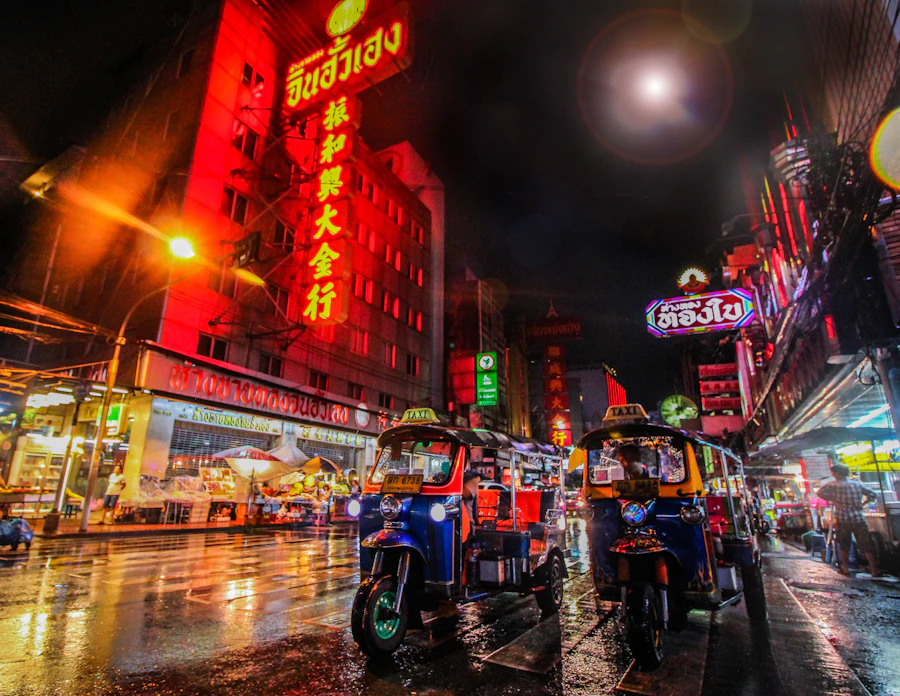
Bangkok and Chiang Mai
Accessible luxury, cultural experiences, wellness services, private vehicles, and established private healthcare options.

Da Nang and Halong Bay
Coastal resorts, scenic cruises, private transfers, and low-walking experiences when the itinerary is carefully selected.
| Destination | Accessibility level | Best vibe | Medical consideration |
|---|---|---|---|
| Singapore | High | Clean, calm, and organised | Extensive private hospital network |
| Bangkok and Chiang Mai | Moderate to high with planning | Accessible luxury, culture, and hospitality | Bumrungrad Hospital in Bangkok is one example of a major private hospital serving international patients |
| Da Nang and Halong Bay | Moderate, with resort and cruise options | Coastal relaxation and scenic cruising | Research private hospitals in Da Nang and major facilities in Hanoi before travelling |
Singapore: The accessibility baseline
Singapore is often the easiest starting point for a first multigenerational trip to Southeast Asia. Consider attractions such as Gardens by the Bay, museums, cultural districts, and river cruises, while keeping each day short and allowing regular indoor breaks.
Bangkok and Chiang Mai: Comfort, culture, and medical access
Bangkok offers a broad range of senior-friendly hotels, private drivers, wellness experiences, cultural tours, and medical facilities. Chiang Mai can provide a slower atmosphere with comfortable resorts, gentle temple visits, cooking experiences, and private-vehicle day trips.
Da Nang and Halong Bay: Resorts and low-walking experiences
Da Nang works well for families seeking a slower coastal holiday. In Halong Bay, a cruise can provide scenery, meals, and sightseeing without requiring your parent to walk continuously between attractions. Confirm lift access, cabin layout, bathroom design, boarding arrangements, and emergency procedures before booking.
Pre-Trip Medical and Logistical Checklist
Good preparation reduces the chance that a small problem becomes a major emergency abroad. Start several weeks or months before departure, particularly if your parent has a chronic condition, reduced mobility, or complex medication requirements.
Healthcare provider clearance
Ask whether your parent is fit to travel and whether any changes are needed for long-haul flights, mobility, medication timing, vaccinations, or planned activities.
Medication kit
Carry essential medication in hand luggage, with original packaging, prescriptions, a medical summary, extra supplies, and a plan for temperature-sensitive medication such as insulin.
Travel insurance
Check for pre-existing condition coverage, emergency treatment, medical evacuation, cancellation, lost medication, mobility equipment, and wheelchair assistance.
Medical documents to carry
- Diagnoses, allergies, current medication, and dosages.
- Copies of prescriptions and medical letters.
- Emergency contacts and insurance details.
- Vaccination records and relevant healthcare-provider advice.
Mobility in Southeast Asia: Wheelchairs, Pushchairs, and Transport
Mobility is often the biggest practical challenge. A parent may manage short distances at home but struggle with heat, crowds, long airport corridors, uneven paving, or a full day of sightseeing.
Consider a lightweight pushchair
For parents who need occasional seated rest rather than full-time wheelchair use, a lightweight, foldable pushchair under 8 kg may be more practical than a bulky hospital wheelchair.
Southeast Asian pavements can be narrow and uneven, so a standard wheelchair may be difficult to manoeuvre or become stuck at kerbs and drainage channels.
A pushchair is not suitable for everyone. Choose a proper wheelchair or mobility scooter when your parent requires postural support, reliable braking, foot support, or full-time mobility assistance.
Use Grab for air-conditioned, door-to-door travel
Where available, use the Grab app to arrange an air-conditioned car rather than flagging down local taxis or relying on tuk-tuks. Door-to-door transport reduces exposure to heat, fumes, uneven pavements, and unnecessary transfers.
- Choose a suitable vehicle size for your parent and mobility equipment.
- Confirm airport and hotel pickup points.
- Allow extra time for loading and unloading.
- Keep the hotel address written in the local language or saved in the app.
Managing Health and Safety in the Tropics
The heat
Carry water, take regular indoor or shaded breaks, avoid direct sun between approximately 12 PM and 3 PM, and use breathable clothing, a wide-brimmed hat, and sunglasses. Watch for unusual fatigue, confusion, dizziness, headache, nausea, or weakness.
The food and water
Choose sealed bottled water and check that caps are intact. Be cautious with ice when the water source is uncertain, raw street-food garnishes, and food that has not been cooked thoroughly. Select reputable restaurants and wash hands before eating.
Long-haul flights
Ask a healthcare provider about individual deep vein thrombosis (DVT) risk before travelling. During the flight, gentle walking, seated ankle movements, regular hydration, appropriate compression garments when medically recommended, and an aisle seat may help with comfort and mobility.
For incontinence management, prepare a discreet in-flight kit with spare clothing, absorbent products, wipes, medication, and a sealable bag. Notify the airline in advance if mobility or bathroom assistance is required.
Accommodation Non-Negotiables for Seniors
Do not rely on phrases such as “senior-friendly” or “accessible hotel” without confirming the details directly. Before booking, request written confirmation of:
- A ground-floor room or a guaranteed working lift.
- Lift access between the lobby, room, restaurant, and pool area.
- A walk-in shower with grab rails or a stable shower seat.
- No high bathtub that requires stepping over the side.
- Non-slip bathroom flooring and sufficient space for a mobility aid.
- A bed at a comfortable height and seating for rest breaks.
- Easy-to-control air conditioning.
- A nearby restaurant, pharmacy, convenience store, or medical facility.
- A short transfer time from the airport and main attractions.
Proximity matters as much as room design. A hotel near major attractions can reduce daily time in traffic and make it easier to return to the room when your parent becomes tired.
A Simple Senior-Friendly Itinerary Formula
- Morning: One major attraction or cultural activity.
- Late morning: A seated café, restaurant, or shaded rest stop.
- Midday: Return to the hotel for lunch, medication, and sleep.
- Afternoon: No fixed plans or one low-effort activity near the hotel.
- Evening: Early dinner followed by a short, optional outing.
For low-mobility days, consider a scenic drive, hotel spa, accessible museum, resort lunch, or Mekong River cruise rather than another walking tour. The aim is to preserve energy for the moments your parents will remember.
Frequently Asked Questions
Is Southeast Asia safe for elderly travellers?
Southeast Asia can be suitable when the destination, accommodation, transport, and itinerary are chosen carefully. The main concerns are usually heat, uneven pavements, traffic, food hygiene, medication management, and access to medical care.
Which Southeast Asian country is best for elderly parents?
Singapore is often the easiest option for accessibility, predictable transport, and healthcare access. Thailand can be excellent for accessible luxury and private medical care, while Vietnam works well for relaxed coastal stays and cruise-based itineraries.
Should elderly parents use a wheelchair while travelling?
It depends on their mobility and stamina. A lightweight pushchair may help parents who can walk but need frequent seated breaks, while a wheelchair is more appropriate for anyone who requires full-time mobility support.
Is Grab available throughout Southeast Asia?
Grab is widely used in several Southeast Asian markets, but availability and vehicle types vary by city and country. Install the app before departure and keep a backup transport plan for areas with limited coverage.
What should seniors avoid in Southeast Asia?
Avoid overpacked itineraries, long walking days, peak afternoon heat, unverified hotel accessibility, high-risk transport arrangements, untreated dehydration, and insurance policies that exclude pre-existing conditions.
How can I prepare for a medical emergency abroad?
Carry a written medical summary, medication list, prescriptions, emergency contacts, and insurance details. Identify hospitals near each destination and understand the insurer’s emergency process before travelling.
Are cruises suitable for elderly parents with limited mobility?
Some cruises can be suitable because they provide accommodation, meals, and sightseeing in one place. Confirm boarding access, cabin layout, bathroom design, lift availability, deck surfaces, emergency procedures, and shore-excursion walking requirements.
How far in advance should I plan the trip?
Start several months ahead if your parent has complex medical needs, requires mobility equipment, needs vaccinations, or will travel during a busy season.
Plan the Trip Around Their Comfort
Travelling with elderly parents in Southeast Asia does not require eliminating adventure. It requires changing what a successful day looks like.
Choose destinations with reliable healthcare and practical transport. Build in midday rest. Use Grab for air-conditioned journeys. Carry the right medication kit, confirm pre-existing condition coverage, and insist on accommodation with safe bathroom access.
Important: This guide provides general travel-planning information and is not medical advice. Consult a qualified healthcare provider about fitness to travel, vaccinations, medication storage, DVT risk, and condition-specific precautions. Confirm insurance terms, accessibility arrangements, transport availability, and emergency procedures directly with the relevant provider before departure.