

Exploring Manila’s vibrant food culture is an adventure in itself, especially if you only have 24 hours to savour its culinary delights. Join Erwan Heussaff as he guides you through must-visit restaurants and cafes that showcase the rich flavours and history of the Philippines.
Introduction to Manila’s Food Scene
Manila’s food scene is a vibrant tapestry woven from diverse cultural influences and regional flavours. The bustling city is home to an array of culinary traditions, from street food to fine dining, reflecting the rich history of the Philippines. Whether you’re indulging in the famous adobo or savouring local delicacies like sinigang and lechon, every bite tells a story.
As a culinary hub, Manila offers a unique blend of traditional Filipino dishes and modern interpretations. From hole-in-the-wall eateries to upscale restaurants, the city’s food landscape is ever-evolving, making it a paradise for food lovers. Join me as we explore some of the must-visit spots that showcase the best of Manila’s culinary offerings.
Choosing Your Base: Where to Stay in Metro Manila
When visiting Metro Manila, selecting the right area to stay is crucial for a seamless culinary adventure. The city is vast, with each neighbourhood offering its own unique vibe and dining options.
- Makati City: Known as the central business district, Makati is perfect for both leisure and business travellers. It boasts an impressive array of shopping malls, restaurants, and vibrant nightlife.
- Quezon City: The largest city in the metro, Quezon City offers a mix of residential, artistic, and commercial areas. However, it is more spread out, making it less ideal for short stays.
- Manila City: As the historic heart of the Philippines, Manila is rich in culture and history. Attractions like Intramuros and Chinatown are nearby, making it an excellent base for sightseeing.
- Taguig City: Home to Bonifacio Global City (BGC), Taguig is a modern area filled with trendy bars and restaurants. It’s a great choice for those looking to enjoy a lively atmosphere.
- Pasay City: Located close to the airport, Pasay is convenient for travellers with limited time. The area features massive malls and hotels, though it lacks a vibrant nightlife scene.
Breakfast at Café Adriatico: A Local Favorite
Café Adriatico, a cultural landmark since the late 1970s, is the perfect spot to start your culinary journey. This Parisian-style café offers a picturesque setting that feels like a slice of old Manila amidst the city’s modern developments. Breakfast here is not just a meal; it’s an experience.
For a truly local breakfast, look out for “silog” dishes, which consist of garlic rice served with various proteins and eggs. The café offers a delightful range of silog options, making it a popular choice among locals and tourists alike.
Savoring Pares at Jim’s Pares and Mami
A few steps from Café Adriatico, Jim’s Pares and Mami is a bustling eatery known for its hearty pares—a Filipino beef stew. Open 24/7, this local gem attracts crowds at all hours, offering a true taste of street food culture.
The pares come served with rice or noodles, making it a versatile option for any meal. The generous portions, tender beef, and flavorful broth have made this spot a favourite among locals seeking comfort food.

A Coffee Break at Papakape
Located within the historic walls of Intramuros, Papakape is a hidden gem that combines rich history with a vibrant coffee culture. This café offers a serene environment, perfect for unwinding after a day of exploring.
Not only does Papakape serve exceptional coffee, but it also provides a glimpse into the colonial past of the Philippines. Enjoy a cup of their signature brew while taking in the beautiful surroundings of Fort Santiago.
Exploring Regional Flavors at Cabel’s
Cabel’s offers an authentic taste of Filipino cuisine, showcasing dishes from various regions of the Philippines. This restaurant stands out by presenting a diverse menu that reflects the culinary richness of Luzon, Visayas, and Mindanao.
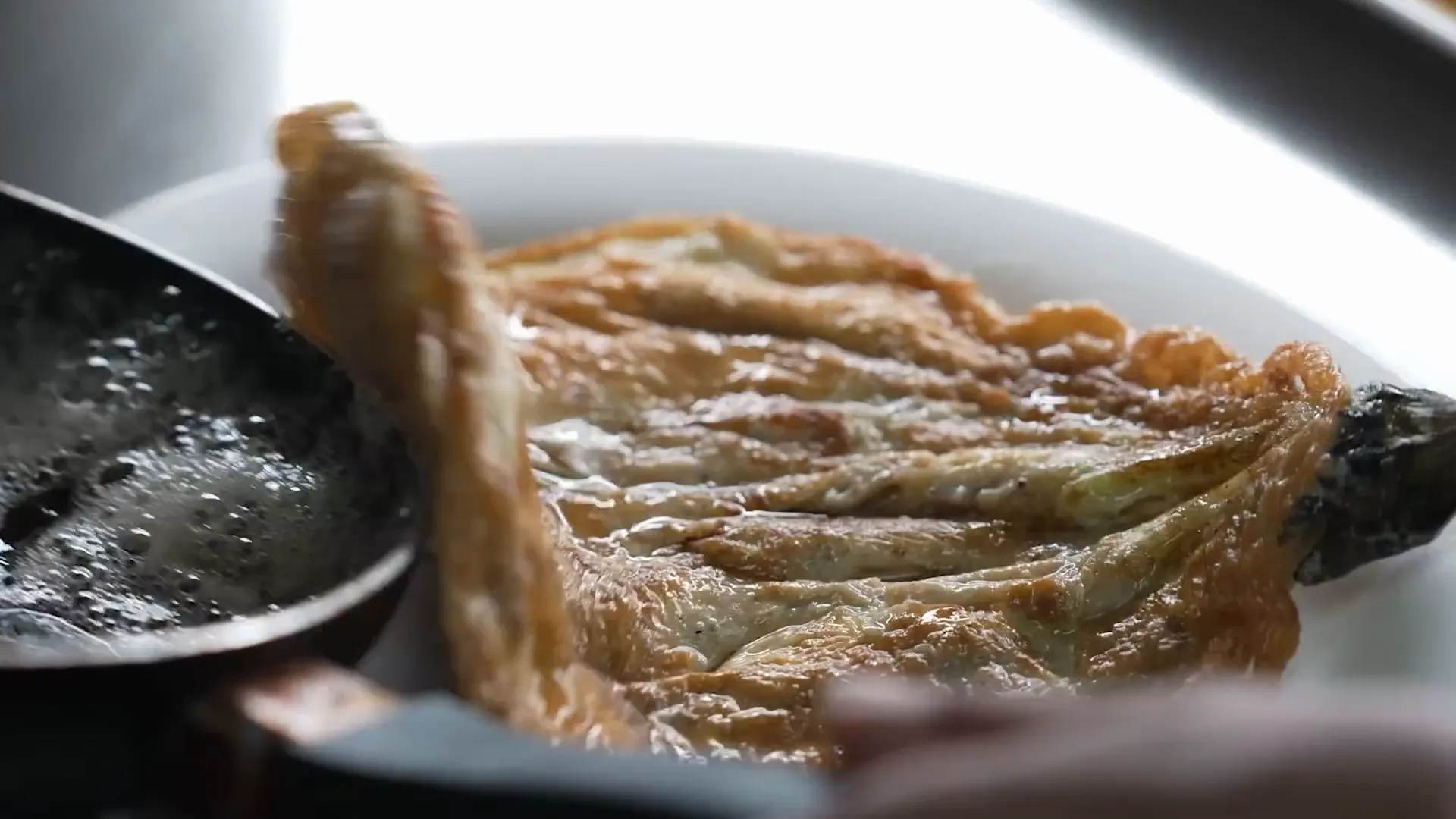
Each dish tells a story of its origin, influenced by local ingredients and traditional cooking methods. For instance, their Tortang Talong, an eggplant omelet, is a classic comfort food, served with a side of banana ketchup that adds a delightful sweetness.
Must-Try Dishes
- Beef Korma: A Mindanaoan take on curry, featuring tender beef stewed with aromatic spices, potatoes, and coconut milk.
- Adobo: A staple across the Philippines, Cabel’s rendition varies slightly to showcase regional twists, making it a must-try.
- Ukoy: These shrimp and vegetable fritters are light and crispy, served with a tangy vinegar dip that enhances the flavours.
Dining at Cabel’s not only satisfies your palate but also enriches your understanding of Filipino culture through food.
Bacolod Chicken House: The Best Inasal in Manila
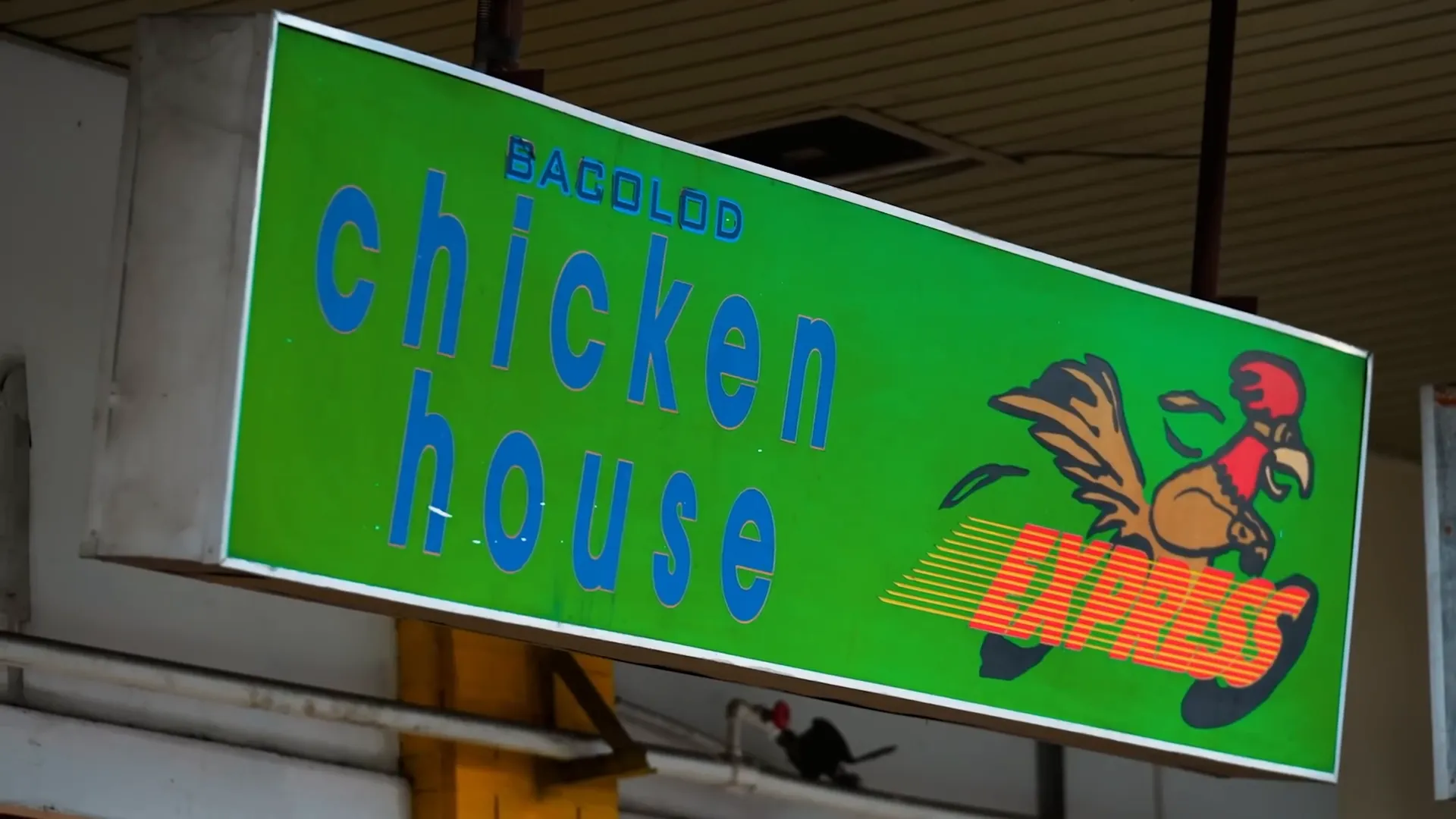
When it comes to Inasal, Bacolod Chicken House is a standout. This restaurant specializes in the grilled chicken dish known as Inasal, hailing from Bacolod City. The marinated chicken is grilled to perfection, infused with a blend of spices that create a robust flavour profile.
What Makes It Special?
The secret lies in the marinade, typically made from soy sauce, vinegar, calamansi, and a mix of spices. This creates a tender, juicy chicken with a smoky char from the grill. Served with a side of rice and dipping sauces, it’s a complete meal that embodies the essence of Filipino barbecue.
Don’t forget to drizzle their signature chicken oil on your rice for an extra layer of flavour!
Understanding the Cultural Significance of Filipino Cuisine
Filipino cuisine is a reflection of the country’s history and cultural diversity. Influences from Spanish, Chinese, American, and indigenous cultures have shaped the culinary landscape. Each dish carries a story, often tied to local traditions and celebrations.
Food in the Philippines is not just about sustenance; it’s about community and family. Sharing meals is an integral part of Filipino culture, with gatherings often centred around food.
Key Elements of Filipino Cuisine
- Rice: A staple in every meal, rice is often served alongside various dishes to balance flavours.
- Vinegar: Used in many traditional dishes, vinegar adds a tangy punch and preserves food.
- Spices and Herbs: A blend of local spices enhances the flavour of dishes, making each meal unique.
Understanding these elements can deepen your appreciation for the food and the stories behind it.
Navigating Manila: Tips for First-Time Visitors
Manila can be overwhelming for first-time visitors, but with a few tips, you can make the most of your experience. Here are some essential pointers:
- Use Public Transport: The MRT and jeepneys are affordable and can help you navigate the city efficiently.
- Stay Hydrated: The tropical climate can be hot and humid, so drink plenty of water throughout the day.
- Learn Basic Filipino Phrases: A few words in Filipino can go a long way in connecting with locals.
- Plan Your Itinerary: Focus on a few neighbourhoods each day to avoid the stress of Manila’s traffic.
By following these tips, you’ll be better prepared to explore the diverse food scene and cultural offerings of Manila.
Conclusion: Making the Most of Your 24 Hours
With only 24 hours in Manila, prioritizing your culinary experiences is key. Start your day with breakfast at Café Adriatico, savour delicious pares for lunch at Jim’s Pares and Mami, and indulge in Inasal at Bacolod Chicken House for dinner.
Don’t forget to explore the rich cultural heritage of Manila by visiting Intramuros and experiencing local coffee shops like Papakape. Each meal and location contributes to a memorable journey through the heart of Filipino cuisine.
Embrace the flavours, the stories, and the warmth of Filipino hospitality. Your culinary adventure awaits!
Next trip, to the adventure in Manila.

